

Choosing the wrong bio-based floor for a kitchen forces premature replacement in a wet room. Cork and linoleum both avoid PVC, but they fail differently under dropped pans, standing water, and heavy refrigerator legs. Work through these planning steps to compare abrasion resistance, moisture tolerance, maintenance demands, and lifecycle value before buying either material.
Contents
- How long do cork and linoleum floors last in a residential kitchen?
- Which material resists kitchen abrasion and heavy foot traffic better?
- How do cork and linoleum handle kitchen moisture, spills, and humidity?
- What maintenance does each floor require in a working kitchen?
- Which sustainable kitchen floor has a lower environmental footprint?
- How do installed costs and lifecycle value compare for kitchen projects?
Key takeaways
- In a residential kitchen with moderate to high foot traffic, properly sealed linoleum typically lasts 25 to 40 years , while cork flooring averages 15 to 25 years .
- Linoleum resists abrasion better than cork in high-traffic kitchens because its pigmented wear layer extends through the full material thickness.
- Neither material is waterproof, but linoleum tolerates standing water longer when seams are heat-welded or sealed.
- Cork requires periodic resealing in kitchens to maintain moisture protection, plus regular sweeping and damp mopping with pH-neutral cleaners.
- Both materials use renewable inputs.
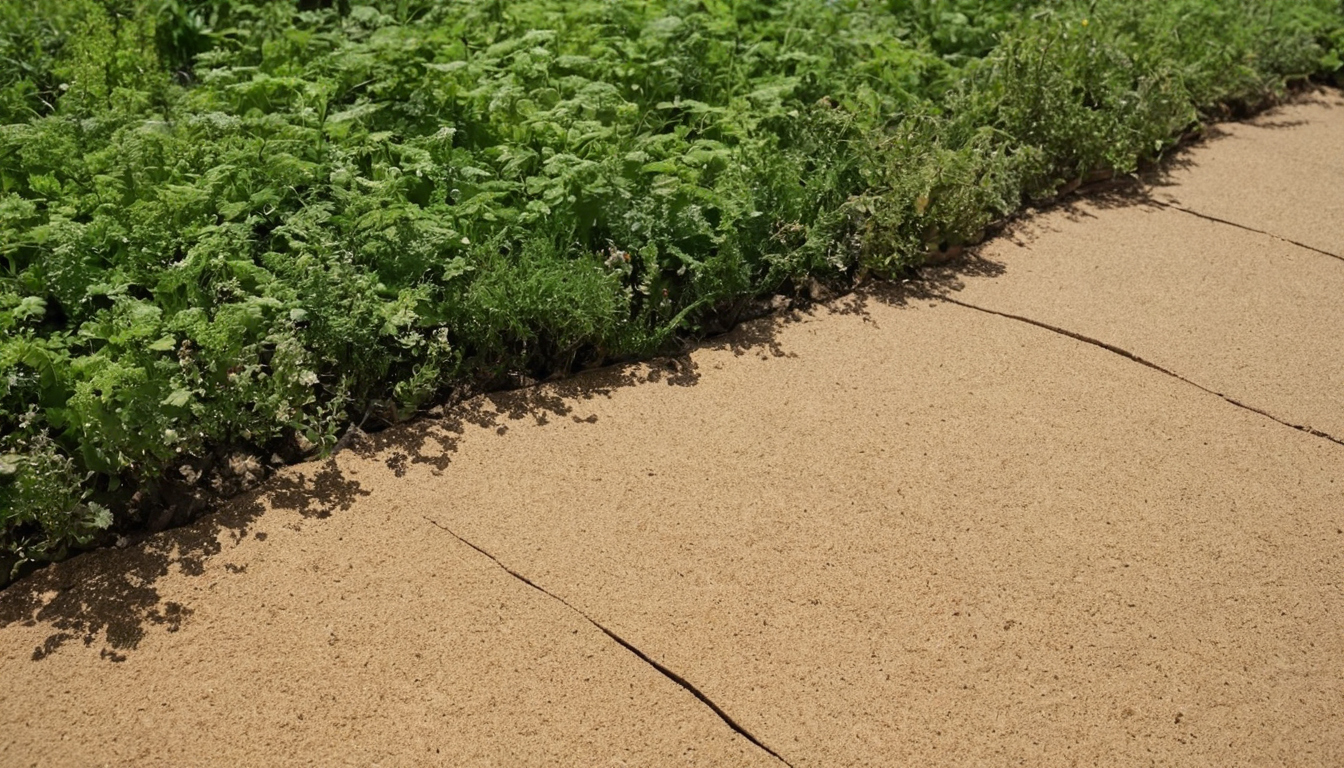
Cork vs. Linoleum Flooring: Which Sustainable Material Lasts Longer in Kitchens.
How long do cork and linoleum floors last in a residential kitchen?
In a residential kitchen with moderate to high foot traffic, properly sealed linoleum typically lasts 25 to 40 years, while cork flooring averages 15 to 25 years. Actual lifespan depends on wear-layer thickness, sealant quality, subfloor preparation, and how quickly spills are cleaned up under normal household conditions.
Lifespan estimates alone do not settle the choice between these two bio-based materials. Compare how well each resists kitchen abrasion and heavy foot traffic before making your final selection.

How long do cork and linoleum floors last in a residential kitchen.
Which material resists kitchen abrasion and heavy foot traffic better?
Linoleum resists abrasion better than cork in high-traffic kitchens because its pigmented wear layer extends through the full material thickness. Cork compresses under point loads like chair legs or dropped utensils, requiring polyurethane or ceramic-bead topcoats to reduce surface wear in active cooking areas.
Linoleum flooring gets this durability from a homogeneous composition of oxidized linseed oil, pine resin, wood flour, and mineral fillers pressed onto a jute backing. The color and pattern run through the entire sheet rather than sitting on a printed surface film. When foot traffic scuffs the top layer, the material underneath looks identical. Standard Taber abrasion tests consistently show that homogeneous linoleum retains its surface integrity longer than coated natural materials under repeated friction cycles.
Cork flooring has a different structure. Harvested bark cells trap air, giving the material natural resilience and acoustic dampening. That same cellular structure yields under concentrated weight. A heavy refrigerator or repeated pressure from barstool legs leaves compression marks that recover slowly, if at all, without a protective finish. Factory-applied polyurethane or ceramic-bead coatings shield the raw cork from grit and scratches, but these surface layers eventually wear through in the busiest walking paths near sinks and stoves.

Which material resists kitchen abrasion and heavy foot traffic better.
Check how each floor handles standing water and frequent cleaning before choosing a material based solely on abrasion resistance.
How do cork and linoleum handle kitchen moisture, spills, and humidity?
Neither material is waterproof, but linoleum tolerates standing water longer when seams are heat-welded or sealed. Cork absorbs moisture at unsealed edges and can swell if water reaches the core. Both require prompt spill cleanup and proper perimeter sealing in kitchens near dishwashers and sinks.
Kitchen flooring faces daily steam, splashes, and appliance leaks. Check how each bio-based option reacts to that moisture before buying, because dimensional instability under a dishwasher often forces premature replacement.
The sealant you choose determines how well cork survives kitchen conditions. Water-based polyurethane forms a continuous plastic film over the surface, blocking liquid entry at joints. Hardwax oil penetrates the cork cells, preserving the natural texture while offering less protection against standing water. Kitchens with frequent spills favor the film-forming barrier of polyurethane.
Humidity swings also stress cork installations. The material expands and contracts as ambient moisture changes. Keeping indoor relative humidity stable prevents the planks from cupping or gapping. Installers must leave adequate expansion gaps along walls and cabinet toe kicks so seasonal movement does not buckle the floor.
Frequent damp mopping does not harm properly sealed sheet linoleum. The oxidized linseed oil and pine rosin matrix repels water during routine cleaning. Saturated mops or puddles left undisturbed let moisture seep through microscopic pores or unsealed edges, eventually softening the adhesive bond beneath the sheet.
Appliance leaks require immediate action regardless of the flooring choice. The U.S. Environmental Protection Agency advises preventing mold growth on wet building materials and furnishings by drying water-damaged areas and items within 24 to 48 hours (A Brief Guide to Mold, Moisture and Your Home). A leaking dishwasher line saturating either cork or linoleum beyond that window risks microbial colonization beneath the surface.
Sheet linoleum has a clear advantage in managing moisture in working kitchens. Fewer seams mean fewer entry points for spills. After comparing how these surfaces handle water, consider the maintenance each floor needs in a working kitchen to preserve that resistance over time.
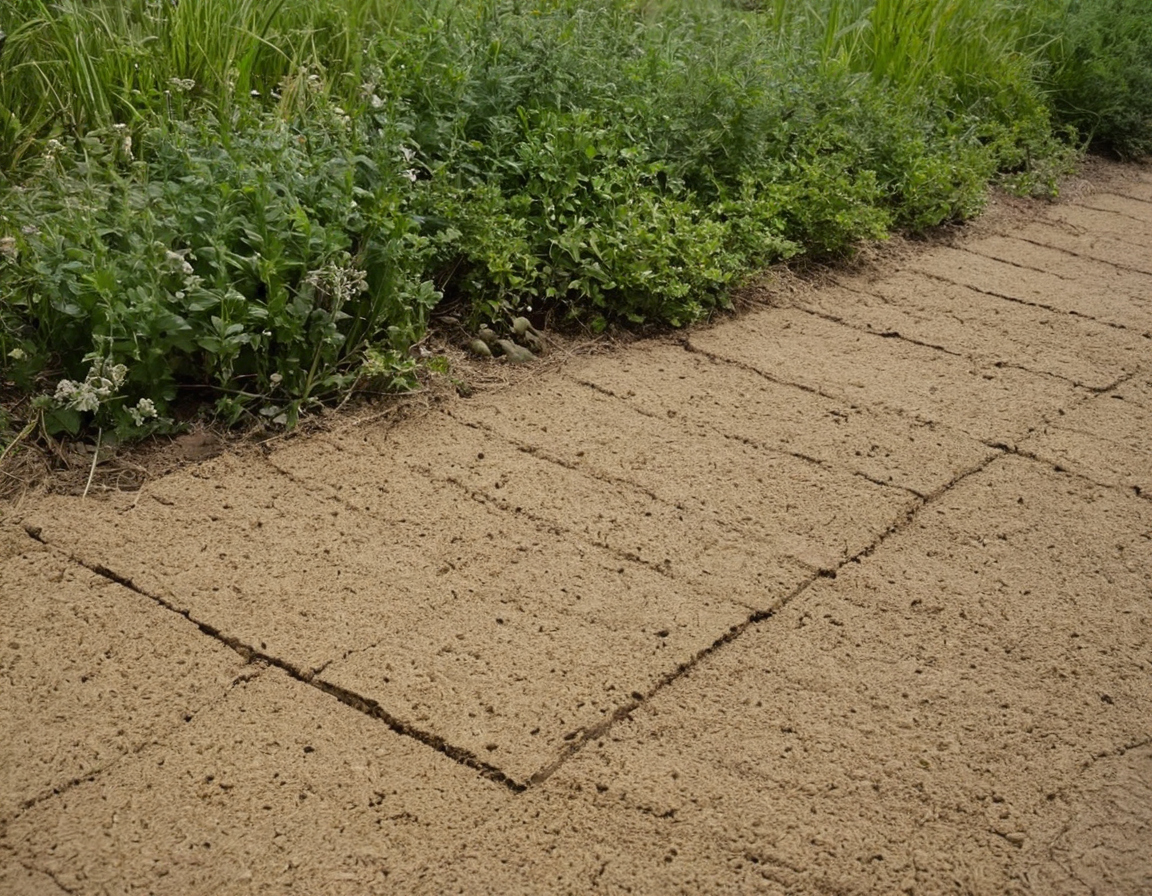
How do cork and linoleum handle kitchen moisture, spills, and humidity.
What maintenance does each floor require in a working kitchen?
Cork requires periodic resealing in kitchens to maintain moisture protection, plus regular sweeping and damp mopping with pH-neutral cleaners. Linoleum needs periodic application of a polymer finish or maintenance of its factory-applied coating, along with daily sweeping. Avoid alkaline cleaners that degrade the linseed oil binder.
Neglecting these routines accelerates wear. Follow this checklist to prevent premature replacement:
- Cork resealing: Apply a compatible water-based polyurethane sealer when water stops beading on the surface. Unsealed cork absorbs spills directly into the cellular structure, causing localized swelling.
- Cork cleaning agents: Sweep daily to remove abrasive grit. Damp mop only with pH-neutral solutions. Alkaline or acidic cleaners strip the protective finish prematurely.
- Linoleum surface care: Maintain the factory-applied coating or apply a compatible polymer finish periodically to resist scuff marks from heavy foot traffic.
- Linoleum cleaning restrictions: Avoid high-pH or ammonia-based cleaners entirely. These chemicals saponify the oxidized linseed oil binder, leaving the surface porous and vulnerable to staining.
A consistent maintenance schedule preserves both materials through years of kitchen use. But routine upkeep alone does not determine the full impact of your choice. Next, compare which sustainable kitchen floor has a lower environmental footprint over its entire service life.

What maintenance does each floor require in a working kitchen.
Which sustainable kitchen floor has a lower environmental footprint?
Both materials use renewable inputs. Cork bark regenerates on the tree without felling it, and linoleum relies on linseed oil, pine rosin, and wood flour. Lifecycle assessments show variation based on manufacturing energy, transport distance, and end-of-life biodegradability. Neither contains PVC, making both preferable to vinyl in sustainable interior design.
Cork harvesting strips only the outer bark of the cork oak, leaving the tree alive to sequester carbon for decades. Linoleum production requires heating and oxidizing plant oils before pressing them onto a jute backing, a process that consumes more factory energy than cork milling. Transport distance often determines the final footprint: cork shipped from Mediterranean forests carries a heavier freight burden for North American kitchens than regionally manufactured alternatives, while linoleum factories operate across Europe and Asia. At the end of their useful life, untreated cork tiles compost readily. Linoleum breaks down naturally as well, provided the adhesive layer does not introduce synthetic binders that complicate disposal.
Third-party certifications clarify which products suit enclosed food preparation spaces. Programs such as FloorScore, Blue Angel, and the Finnish M1 classification test total volatile organic compound emissions under controlled chamber conditions. Choosing a certified product ensures the adhesive, finish, and tile together stay below established emission thresholds. Check that the certification covers the complete installed system rather than the raw material alone, because an uncertified glue can negate a low-emission tile.

Which sustainable kitchen floor has a lower environmental footprint.
Choosing the right bio-based floor protects indoor air quality, but material cost and replacement frequency determine whether the investment holds up over time. Next, compare installed costs and lifecycle value for cork and linoleum in kitchen projects.
How do installed costs and lifecycle value compare for kitchen projects?
Linoleum generally delivers a lower total cost of ownership over a full service life in kitchens. Cork requires more frequent resealing, and those recurring maintenance expenses add up compared with linoleum’s longer replacement cycle.
Build your project budget around these lifecycle factors before buying either bio-based floor:
- Material pricing: Compare retail costs per square foot for residential-grade cork and linoleum sheets or tiles at local suppliers.
- Professional installation: Linoleum sheet goods often require specialized adhesive application and seam welding, while floating cork planks can reduce labor charges.
- Maintenance frequency: Budget for periodic polyurethane or wax resealing on cork to protect the surface from kitchen moisture and abrasion.
- Replacement timeline: Factor in the expected service life of each material under heavy foot traffic before the next full renovation becomes necessary.
Choose linoleum when minimizing long-term kitchen flooring expenses is the priority. Choose cork if underfoot comfort and acoustic dampening justify the additional upkeep. Request detailed quotes covering both material and installation labor to confirm which option fits your kitchen layout and household traffic patterns.

How do installed costs and lifecycle value compare for kitchen projects.
For more on this topic, see other guides on this site.